
During the rainy season immediate action reduces rat pressure: seal gaps with steel wool and caulk, remove food and standing water, and set snap traps along runways. Use quick deterrents—ammonia-soaked rags, peppermint oil in sealed containers, and ultrasonic units in enclosed spaces—while prioritizing exclusion and sanitation. For larger infestations consider lockable bait stations or professional services. Durable weatherproofing and routine inspection prevent recurrence, and further guidance explains selection, safety, and escalation choices.

Quick Ways to Stop Rats Now: Immediate DIY Repellents and Fixes
Act swiftly: seal obvious entry points, remove food and water sources, and deploy immediate DIY deterrents such as ammonia-soaked rags, peppermint oil sprays igreenasia, and strategically placed snap traps to reduce rat activity within hours.
The practitioner assesses gaps, vents, and seams, prioritizing quick fixes—steel wool, caulk, and hardware cloth—to deny shelter.
Instant traps are set along runways and near burrows, checked daily to maintain humane standards and effectiveness.
Ultrasonic emitters may supplement mechanical control but should not replace sealing and trapping; they function best as a temporary discomfort tactic, not a sole solution.
Waste is secured in sealed bins, composts managed, and clutter cleared to remove harborage.
The approach favors decisive, reversible actions that restore autonomy and control.
Natural and Pet-Safe Repellents That Actually Work
Employing proven, pet-safe repellents can reduce rat activity without exposing animals or people to toxic chemicals.
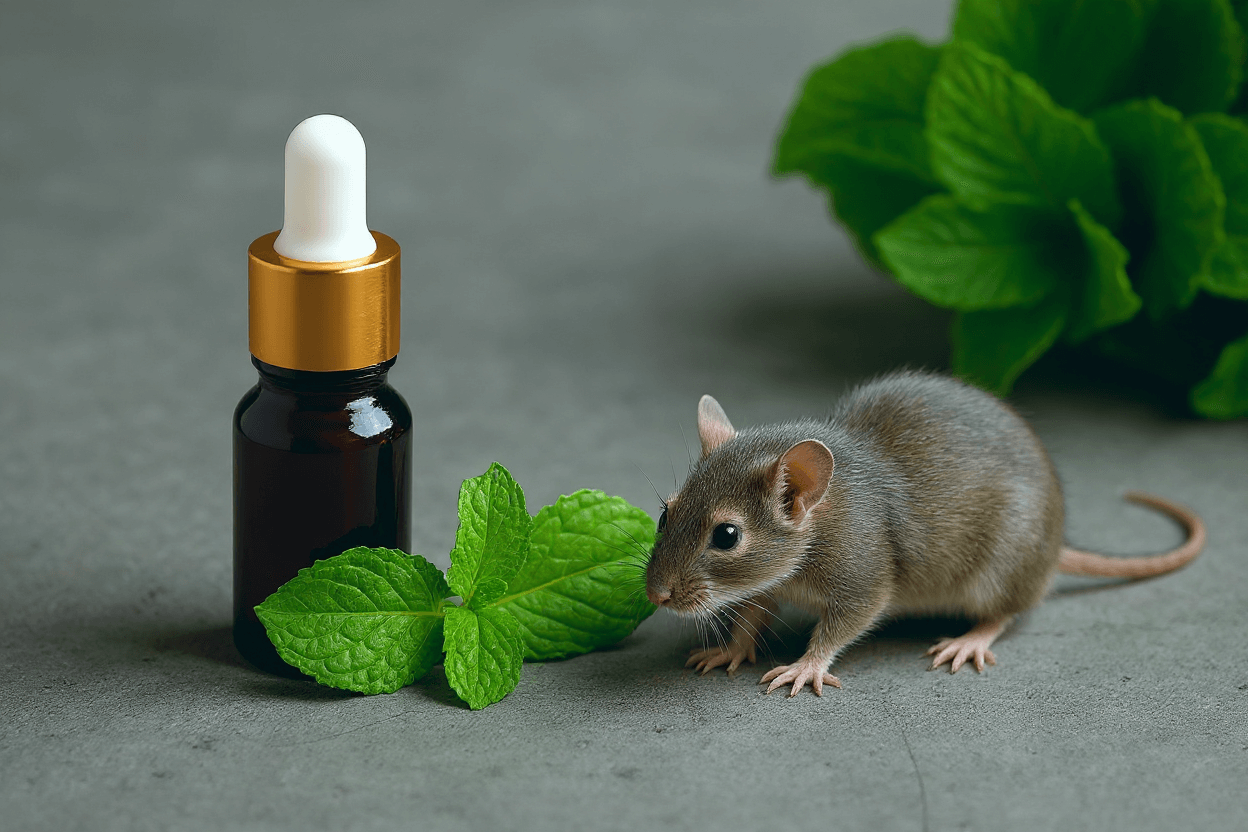
The recommended approach combines scent-based and non-contact methods: peppermint oil-soaked cotton in sealed containers placed near entry points disrupts rodents’ scent trails; replace oils weekly and avoid direct pet access.
Ultrasonic devices, when chosen for coverage and tested placement, can deter rats in enclosed spaces; monitor effectiveness and rotate frequencies to prevent habituation.
Physical exclusion and sanitation remain primary—seal gaps, remove clutter, and secure food.
For households valuing autonomy, these tactics allow control without reliance on contractors or poisons.
Record observations, adjust techniques, and persist until activity drops.
Safety: keep oils away from curious pets and inspect devices regularly.
Commercial and Professional-Grade Repellents: Pros, Cons, and Costs
When weighing options beyond DIY measures, commercial and professional-grade rat repellent offer higher-intensity, longer-lasting solutions that pair chemical, electronic, and mechanical tactics; however, their effectiveness, safety profile, and cost vary widely, so selection should be driven by site conditions, target species, and risk tolerance.
Commercial rodenticides provide rapid population reduction but demand trained handling and strict placement in lockable bait stations to protect non-targets and comply with regulations. Ultrasonic devices promise non-toxic deterrence but show mixed field results and should not be sole reliance. Mechanical traps and professional monitoring deliver measurable results with predictable costs. Professional services add inspection, tailored plans, and warrantyed follow-up—higher upfront expense but lower long-term uncertainty for those valuing control and autonomy.
Weatherproof Exclusion and Long-Term Prevention for Rainy Seasons
Against the increased pressure rodents place on structures during the rainy season, weatherproof exclusion and long-term prevention focus on sealing vulnerabilities, managing moisture, and creating sustained barriers that deny access and harborage.
Practitioners recommend durable materials, routine inspection, and strategic upgrades to protect freedoms of property use without recurring infestations.
Emphasis lies on combining Floodproof barriers with targeted Vent sealing and landscape adjustments to remove incentives for entry.
- Install metal flashing, concrete patching, and door sweeps to seal gaps.
- Implement Floodproof barriers at low points and around service penetrations.
- Perform Vent sealing with rodent-proof screens and one-way valves.
- Grade soil, clear debris, and maintain gutters to eliminate moisture and shelter.
These measures prioritize lasting exclusion, minimal maintenance, and predictable performance.
How to Choose the Right Repellent for Your Space and When to Call an Exterminator
Select repellents based on the specific species, infestation size, and the environment’s constraints—indoor versus outdoor, food storage areas, and proximity to children or pets—while prioritizing methods that complement exclusion and moisture control already in place.
Choose targeted repellents: ultrasonic or scent-based for light, temporary intrusions; bait stations and traps for localized populations; professional-grade rodenticides only when safeguards allow.
Use an inspection checklist to document entry points, droppings, and attractants before deploying treatments.
Monitor results and adjust methods rather than layering products indiscriminately.
Call an exterminator when infestations exceed DIY capacity, when structural access is required, or when pets and children limit options. Discuss service timing and guarantees upfront to preserve autonomy and assure efficient resolution.
Conclusion
Effective rainy-season rat control combines immediate DIY measures, natural pet-safe repellents, and targeted commercial treatments with durable exclusion work. Prioritize sealing entry points, removing food and standing water, and deploying repellents suited to occupancy and pet presence. Use professional services for heavy infestations or structural vulnerabilities. Consistent monitoring and weatherproof maintenance guarantees long-term prevention, reducing reinfestation risk and protecting health and property during persistent wet conditions.